
VIP member
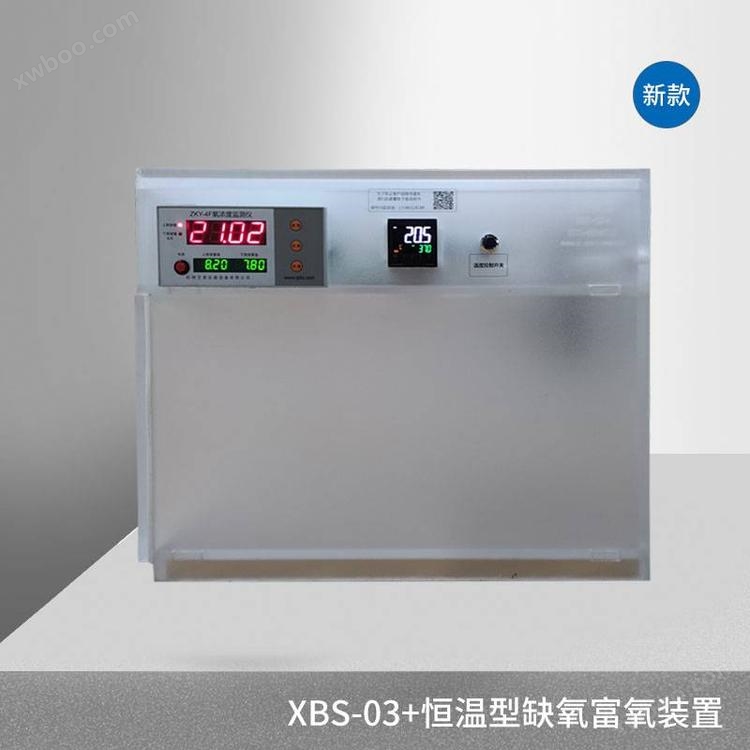


XBS-03+Rat and Rat Low Oxygen Incubator Low Oxygen Enrichment Incubator Laboratory Oxygen Control Concentration System
Cellular hypoxia device, oxygen is an essential element for cells to maintain life activities and functions
Product details


Cellular hypoxia device, oxygen is an essential element for cells to maintain life activities and functions. Hypoxia disrupts the aerobic respiration of cells, damages the oxidative phosphorylation process of mitochondria, reduces or even stops ATP production, leading to a series of changes. Medical Education, Education Network | Collection and Organization Hypoxia can be systemic or local. The former is caused by thin air (such as high-altitude hypoxia) or respiratory dysfunction (such as respiratory and lung diseases), or certain chemical toxins that damage the oxygen carrying capacity of hemoglobin (such as CO poisoning), or the inactivation of respiratory chain enzymes (such as cyanide). The cause of local hypoxia is often ischemia, often caused by local circulatory disorders.
This utility model belongs to the field of medical experimental equipment and specifically relates to a cell hypoxia test incubator, which comprises a test chamber, a control circuit, and a gas supply part. This cell hypoxia test incubator can be used for cell culture related experiments, especially suitable for cell hypoxia related experiments.
1. Technical parameters:
The entire device consists of two parts: an independent small oxygen controller and an animal incubator.
1.2 * Oxygen concentration controller, oxygen control range: 0.1% -99.99%, adjustable setting and display accuracy of 0.01%.
1.3 * Can be supplied with nitrogen (low oxygen requirement) or oxygen (high oxygen requirement) gas cylinders externally, accurately injecting gas according to the preset value to save gas.
1.4 * The incubator is equipped with an oxygen probe, which strictly monitors the gas concentration inside the incubator and provides feedback to the oxygen controller. It automatically pumps gas to reach and maintain the preset gas concentration, reducing gas consumption.
1.5 Control feedback system, which can quickly restore and maintain the set oxygen level at any time according to the preset value.
1.6 The animal culture box is equipped with multiple exhaust holes on the outside, which can be opened or closed according to the number and metabolic status of animals, facilitating the discharge of metabolic waste gas from the box and maintaining a suitable animal culture environment.
1.7 PMMA material animal incubator, with a transparent animal room at the front door,
2. Configuration:
2.1 Controller needs to be fixed with an adapter bracket
2.2 Adaptation frame, suitable for the above controllers
Application example:
1. It can be widely applied in various medical research to establish in vitro research models for different diseases.
Research related to heart disease: such as simulating the pathological process of abnormal myocardial energy metabolism caused by myocardial ischemia and the process of myocardial blood reperfusion; Physiological and pathological research on heart disease, even cardiac arrest, caused by abnormal myocardial activity due to hypoxia or increased heart rate.
Research on Brain Diseases: Conduct pathological studies and simulations of brain tissue dysfunction, cerebral thrombosis, stroke, or brain tissue death caused by cerebral hypoxia.
Ophthalmic disease research: mainly used to establish a sleep apnea syndrome model, conduct pathological studies on snoring and apnea caused by hypoxia during sleep, and pathological studies on neonatal retinopathy, myopia or blindness caused by high oxygen protection.
Sports medicine research: Simulate high-altitude hypoxic environments, establish high-altitude hypoxic models, and study the mechanisms of high-altitude training.
Oxygen therapy related research: Establishing pathological models to investigate the physiological and pathological responses of intermittent or repeated hypoxia
2. Suitable for research on tumors, especially those involving tumor hypoxia or tumor angiogenesis, such as the study of the relevant mechanisms of HIF hypoxia inducible factor
3. Related studies applicable to stem cells have shown that low oxygen can promote the survival, proliferation, and induction of differentiation of specific types of stem cells.
Suitable for research and development, simulating the physiological environment of low oxygen in organisms, and evaluating drug efficacy.
Online inquiry
-
Contacts
-
Company
-
Telephone
-
Email
-
WeChat
-
Verification Code
-
Message Content
-