
VIP member

Product details
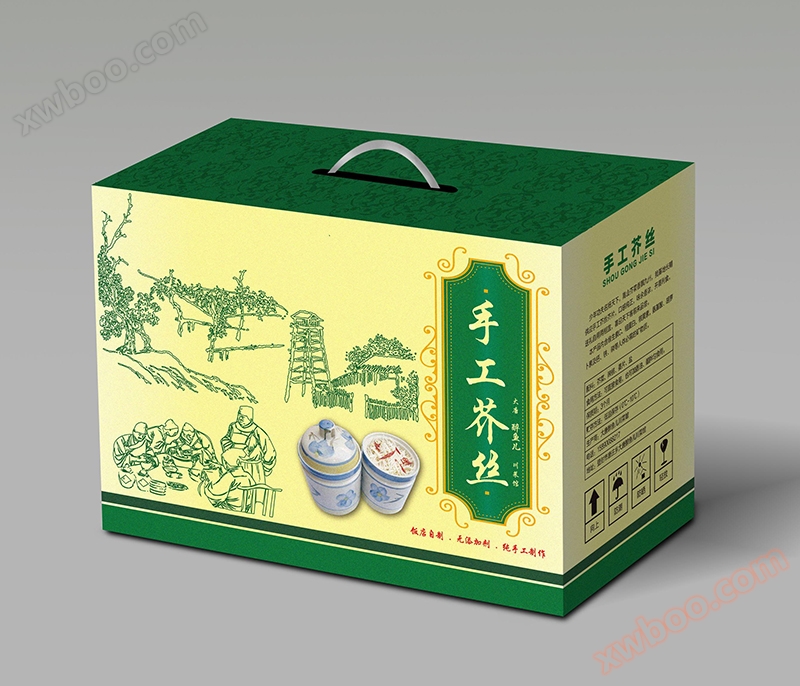
Food packaging box technology:
1. Oil coating: It is to print another layer of printing oil on the surface of the printed product after printing is completed, slightly increasing the gloss and having the function of anti-wear and moisture-proof.
2. Polishing: After printing is completed, apply a thin layer of plastic oil on the surface of the printed product, and then iron it with a high-temperature steel plate. Significantly improve the brightness, wear resistance, and moisture resistance of printed materials.
3. Film coating: After printing is completed, a layer of PE or BOPP plastic film is first applied to the surface of the printed product to significantly improve its brightness, folding resistance, abrasion resistance, moisture resistance, and waterproofing. Divided into glossy film, matte film, and laser film.
4. UV (Crystal): After printing is completed, apply a layer of UV oil on the surface of the printed product, and then dry it using strong UV curing method to significantly improve the glossiness, wear resistance, and moisture resistance of the printed product. Reverse UV: Reverse polishing is a polishing mode that combines local polishing and local sanding compared to traditional local polishing, in order to achieve high contrast effects of local graphics and text.
5. Drumming, embossing, relief, protrusion, and relief: A pattern or text of relief or relief at a designated location on the surface of a printed product. The food packaging boxes produced by Kunming's strength reproduction color printing packaging mostly use full page embossing technology.
6. Hot stamping, also known as hot stamping, is a printing decoration process that involves heating a metal printing plate, applying foil, and pressing text or patterns onto printed materials.
Online inquiry
-
Contacts
-
Company
-
Telephone
-
Email
-
WeChat
-
Verification Code
-
Message Content
-