
VIP member
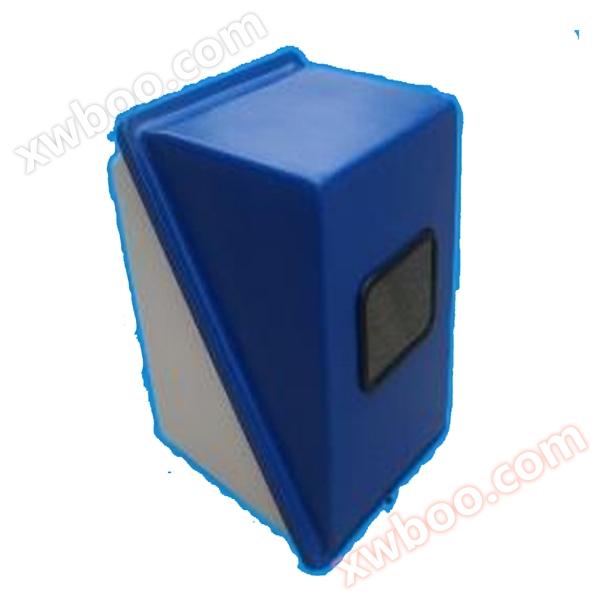
Instrument insulation (protection) box
Category: Instrument Box/Instrument Cabinet Product Brand: Hengding Instrument Product Model: HD-KZH Product Description:
Product details
- Product Details
Instrument insulation (protection) box
Instrument incubators and incubators are field installed protection or thermal insulation equipment for transmitters and other instruments. They are characterized by high standardization, high mechanical strength, strong anti-aging performance, good sealing performance, beautiful appearance, reasonable structure, diverse forms, convenient installation and operation, etc. The protective box consists of a box body, instrument bracket, sliding rail, window door and other components. The series of instrument protection (temperature) boxes produced by our company are improved and designed by absorbing the advantages of similar products at home and abroad. It can be widely used in industries such as power, chemical, metallurgical, petroleum, pharmaceutical, light industry, and other automation control systems, especially suitable for use in harsh environments such as strong acids, alkalis, salts, ammonia, chlorine gas, etc.
Instrument incubators and incubators are field installed protection or thermal insulation equipment for transmitters and other instruments. They are characterized by high standardization, high mechanical strength, strong anti-aging performance, good sealing performance, beautiful appearance, reasonable structure, diverse forms, convenient installation and operation, etc. The protective box consists of a box body, instrument bracket, sliding rail, window door and other components. The series of instrument protection (temperature) boxes produced by our company are improved and designed by absorbing the advantages of similar products at home and abroad. It can be widely used in industries such as power, chemical, metallurgical, petroleum, pharmaceutical, light industry, and other automation control systems, especially suitable for use in harsh environments such as strong acids, alkalis, salts, ammonia, chlorine gas, etc.
1、 Product performance:
Technical performance and physical properties of composite epoxy resin are shown in the table below. Tensile strength (kg/cm2), flexural strength (kg/cm2), compressive strength (kg/cm2), impact strength (kg/cm2), fabric hardness (kg/cm2), specific gravity (g/cm2), natural aging years (years) 3000 265 100-1100 2-2.1 20-25
1. Rated voltage:~220V 50Hz;
2. Electric heater power: adjustable from 500 to 2500W for insulation box, with 450 to 2400 heat tracing cables (length 15 to 80 meters);
3. Temperature adjustable range: 5-50 ℃;
4. Temperature fluctuation range: ± 5 ℃;
5. Temperature inside the box: ≤ 85%;
6. Steam heat: ≤ 200 ℃;
7. Steam pressure ≤ 1.6Mpa;
8. Insulation strength: The ambient temperature is 40 ± 5 ℃, the relative humidity is ≤ 85%, and it can withstand a withstand voltage test of AC 1000V, 50Hz sine wave for 1 minute;
9. Insulation resistance: When the ambient temperature is ≤ 40 ℃ and the relative humidity is ≤ 85%, the insulation resistance between the conductive part and the box body is ≥ 20M Ω;
10. Applicable ambient temperature: -50~60 ℃.
2、 Structural features:
1. The instrument insulation box body is made of a shell (made of composite epoxy resin) made of fiberglass or steel plate through special processes;
2. The box body is divided into an upper box body and a lower box body (with a sloping matching surface, and the upper and lower ends of the matching surface are arc-shaped). The upper and lower boxes are connected by stainless steel hinges, sealed with rubber strips, and the lower end is equipped with stainless steel hooks for compression. The front door is equipped with an observation window and a tilted rainproof top cover. The splash proof structure is used between the door and the box, which can prevent rain and dust and is suitable for indoor and outdoor installation;
3. The upper box can be opened up 90 degrees, and there is an opening support inside the box. Tightening the butterfly nut can fix the opening position, making it convenient to install and debug the instrument inside the box;
4. The bottom of the box is equipped with an instrument bracket that can move back and forth, left and right on the slide rail, making it convenient to adjust the installation position of the instrument and providing a comfortable working environment for engineering and technical personnel;
5. There is a disassembled piping board on the back of the box for installing various pipelines. Use a certain number of plastic seals at the bottom of the box to seal cable joints.
Online inquiry
-
Contacts
-
Company
-
Telephone
-
Email
-
WeChat
-
Verification Code
-
Message Content
-