VIP member
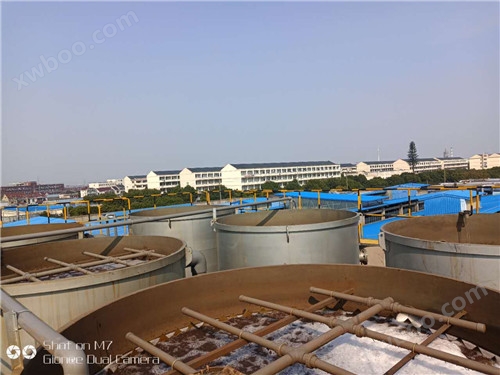
Effect of Printing and Dyeing Wastewater Treatment
Effect of Printing and Dyeing Wastewater Treatment
Product details

| Effect of Printing and Dyeing Wastewater Treatment |
|
|
|
The textile printing and dyeing industry is a major emitter of industrial wastewater. Wastewater contains various dyes, slurries, surfactants, and other additives. The characteristics of wastewater are high organic concentration, complex composition, poor biodegradability, high and variable chromaticity, and large changes in water quality and quantity, making it a difficult industrial wastewater to treat. |
1
Online inquiry
-
Contacts
-
Company
-
Telephone
-
Email
-
WeChat
-
Verification Code
-
Message Content
-