
VIP member
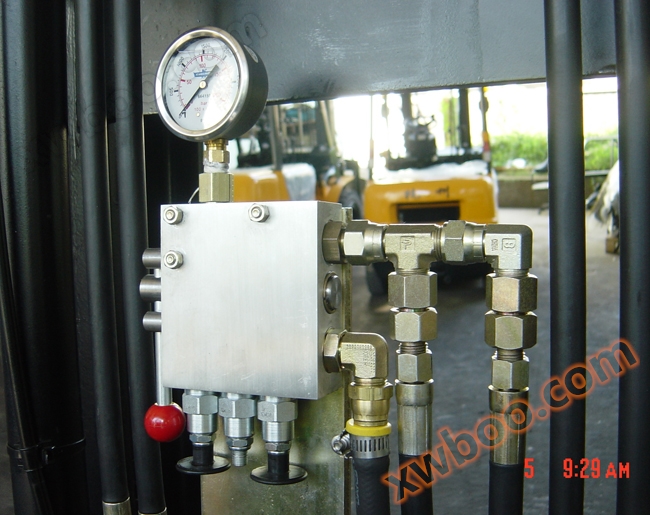
Caskat four speed pressure regulating valve
Electric Forklift Charging Operation Specification 1. Professional Operation
Product details
Electric forkliftCharging operation specifications
1. Professional operation. The operator of the charger should be specific to that person and should not operate the electric forklift without the consent of the leader.
The surrounding environment should be safe. It is prohibited to stack flammable and combustible materials around the charging room of electric forklifts. Clear safety signs must be set up and appropriate spacing must be ensured.
3. Regular inspections. Someone is on duty while the electric forklift is charging. The on duty personnel should regularly check the voltage, current, and temperature changes of the electro-hydraulic density to promptly identify any issues.
4. Smoking is prohibited. Electric forklifts are not allowed to smoke in and around the charging room. Open flame operation is strictly prohibited. If there is a need, the charging operation must be stopped for more than 2 days and the charging facility must be transferred before operation.
5. Firefighting equipment must be equipped. Do electric forklift charging rooms need to be equipped?? Prepare sufficient fire-fighting equipment in good condition to extinguish in case of danger.
6. Ordinary manufacturers. The safety design of the electric forklift charging room meets the requirements, and the anti riot facilities should be sound. The ventilation facilities should be good to prevent excessive output of oxygen and hydrogen, which may cause fires.
After charging is completed, the electric forklift charging power should be turned off first, and then the battery clip should be removed.
2、 Electric forklift unloading operation process
1. Place the fork vertically on the shelf and then place it at the bottom;
Forks come out from the bottom of the shelf;
3. Raise the fork to the desired height, ensuring that it can easily enter under the tray, and then slowly approach the tray to unload until the load is safely placed on the fork;
4. Lift the fork until the tray is lifted from the rack;
5. Slowly exit the channel;
6. Slowly reduce the load to ensure that the fork does not encounter obstacles during the descent process.
Online inquiry
-
Contacts
-
Company
-
Telephone
-
Email
-
WeChat
-
Verification Code
-
Message Content
-